
 £
£
We use cookies to improve your experience. By accepting you agree to our cookie policy

What is TENS?
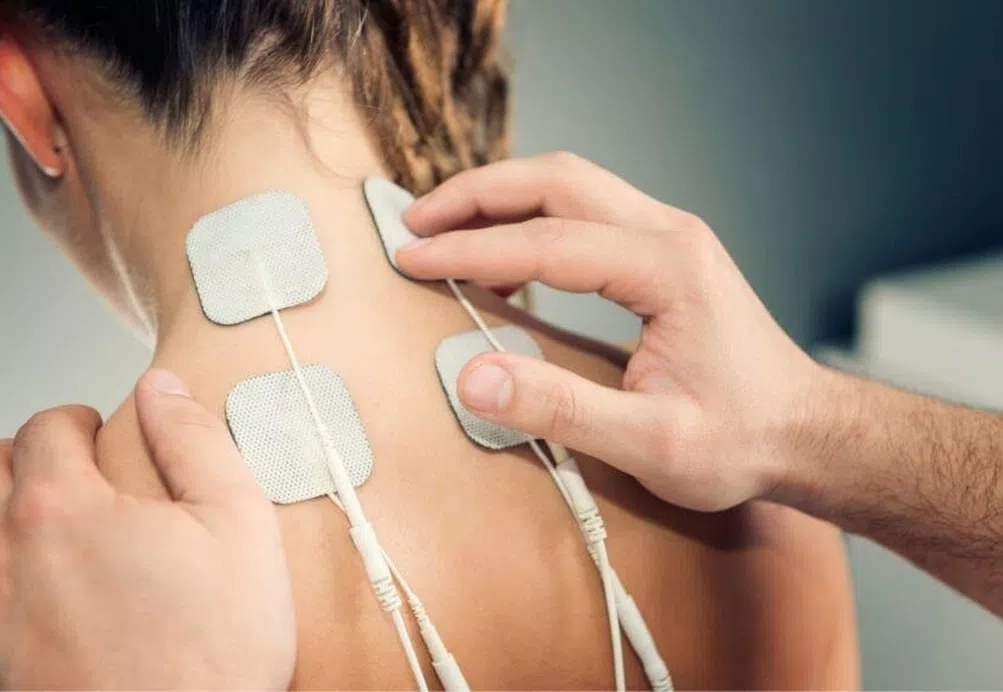
TENS (transcutaneous electrical nerve stimulation) is a non-invasive alternative therapy that uses mild electrical impulses delivered through stick-on electrode pads placed on the skin to give temporary pain relief. These impulses feel like a mild tingling sensation, they are not painful and have no side effects. They work by blocking pain signals from your nerves to your brain and encourage the production of your body’s natural painkillers, endorphins. TENS is often recommended as pain relief for women in labour, and is also recommended to treat period pain, pain from sports injuries and pain caused by long-term conditions like arthritis.
There are not enough clinical studies to prove TENS is effective at relieving CRPS symptoms, but anecdotally, many people report that it has reduced their pain. TENS is considered to be a safe treatment for chronic pain.
TENS can help in several ways:
Burning Nights CRPS Support member Stacie, who lives with CRPS, used TENS for around a year, with mixed results. She says, “When I used TENS on an area affected by CRPS, it caused an increase in sensitivity, allodynia and the 'buzzing' sensation associated with CRPS. However, when used in areas near, but not on, the affected area there was some relief. It allowed some of the muscles and nerves around the affected area to be calmer and reduced tension and cramping. For others living with CRPS who want to try using TENS, my advice is to start small and give the affected area a wide berth. Try starting using it for 5 or 10 minutes at first, then increase the time if there is a positive impact. And don't start on the CRPS area. Just try putting the pads around the area and see if there is any change after use. And above all, don't over-do it. Make sure to listen to your body and if it doesn't help, don't push it.”
Make sure to listen to your body and if it doesn't help, don't push it
Always follow the manufacturer’s instructions and read the leaflet that comes with your machine. It’s recommended that you try TENS on an area with no pain first, so you know what to expect.
As a general guide:
TENS can be used for up to 60 minutes at a time, up to three times a day.
Important:
Do not use TENS in the bath or shower
Do not use TENS on broken or inflamed skin
Do not use TENS on your neck, mouth or eyes
Do not use TENS while you’re sleeping
Do not use TENS when driving or using tools or machinery
TENS is often combined with other alternative therapies for CRPS. Others you can try include:
Everyone’s pain is unique, so TENS may or may not work for you.
Do not use TENS if you have epilepsy, heart problems, cancer, DVT, have a pacemaker or are pregnant (unless you are in the early stages of labour). If you have any metal plates or pins, do not use TENS directly over the site where they are.
It is always best to check with your GP before using TENS to make sure it is safe for you.
You can buy one online for around £40, they are also available in pharmacies. Or if you want to try it first, you can hire them online for around £20 – plenty of companies who supply products for birth and labour offer this service, and you can try it for around 7 weeks before posting it back. This is a great way to see if it works for you for half the price of buying one.
Join our online community to see how others with CRPS have got on with TENS, along with other treatment advice. Check out our range of support services, and read more about treatments for CRPS including physiotherapy, Calmare Scrambler Therapy and nerve blocks.
We use cookies to improve your experience. By accepting you agree to our cookie policy