
 £
£
We use cookies to improve your experience. By accepting you agree to our cookie policy

As the days grow longer and the flowers begin to bloom, many people naturally start to enjoy spending more time in their gardens.
But for people living with Complex Regional Pain Syndrome (CRPS), having a limited range of motion, fatigue and difficulty standing without pain can make gardening seem inaccessible or intimidating.
The good news is you don’t need to manage a national park to be a gardener; even small herb pots and hanging flower baskets provide great benefits and satisfaction.
For long-time gardener Tina, volunteer coordinator with Burning Nights CRPS Support, gardening became her way of “fighting back against CRPS” when she was diagnosed over 20 years ago.
“Gardening is a wonderful way of combining much-needed exercise that is manageable and being in the open, enjoying the natural world. I definitely experience a sense of well-being and feel good when I am out there,” Tina says.
Feeling equally nourished by tending to the soil is Tanya, who also volunteers at the charity. After getting a taste for growing greens with her young son during the 2020 COVID lockdown, Tanya returned to gardening in 2024 – a year after a fall caused her to develop CRPS.
“Starting to grow from seed and watching them grow daily has given me a purpose again. That feeling of ‘I did that’ is huge.”
Many studies show that gardening and spending time in nature can help ease anxiety, lower stress and improve mental health [1,2]. If you live with CRPS, maintaining mental well-being can be challenging, but especially important. Gardening brings nature closer in a way that’s flexible to you, providing a range of health benefits [2].
To get started creating your own green space, here are five tips to make gardening more accessible with CRPS, with insights from gardeners Tina and Tanya.
Indoor plants like aloe vera and succulents add a pop of greenery to your home while requiring minimal care.
Edible, easy-to-grow herbs like rosemary, chives, sage, thyme, and mint are resilient plants that smell good, make flavourful additions to meals, and won’t suffer from a little neglect if you’re feeling unwell. They’re typically available all year round, with chives dying down in the winter and shooting up again in the spring.
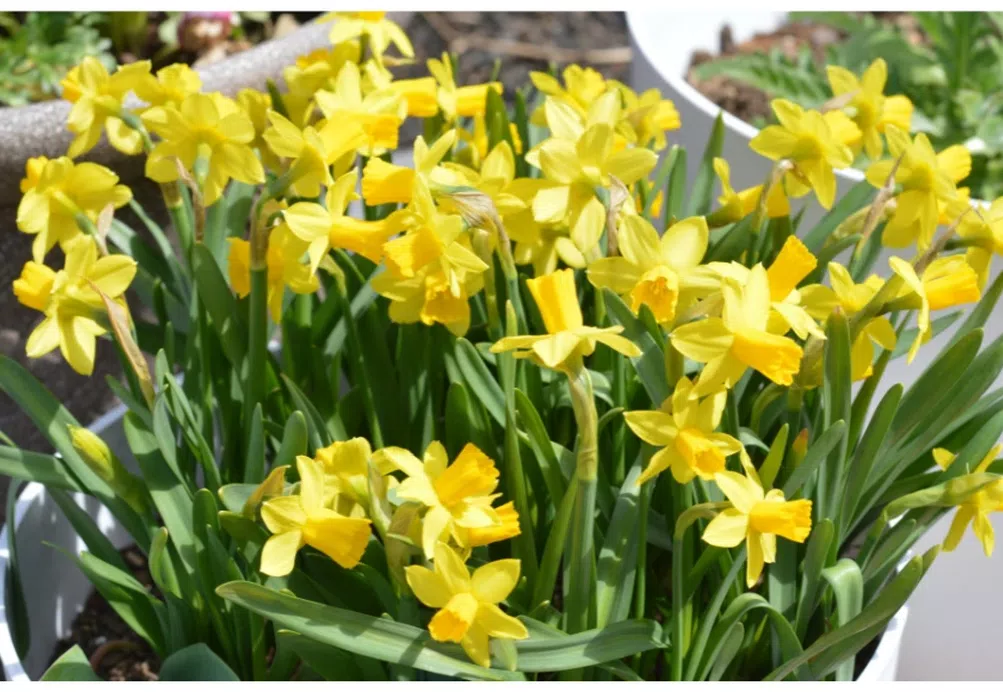
Bring colour to your garden with spring bulbs like daffodils and tulips. These flowers are great investments because after initial planting and care, they require little attention and return yearly after their season is over. Similarly, beginner-friendly sweet pea flowers boast vibrant petals and soft smells (see the bottom of the page for Tanya’s step-by-step guide to growing sweet peas).
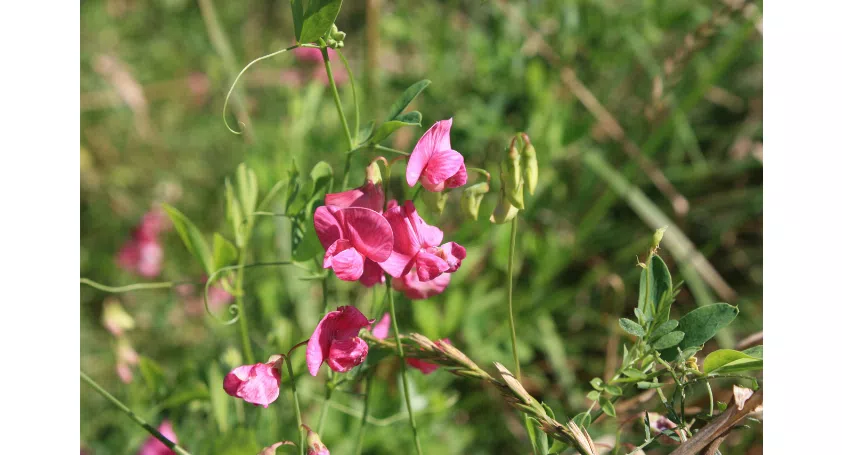
Sweet pea and spring bulb flowers add a pop of colour to your garden and are low-maintenance
Opting for artificial grass can minimise your workload. So less time is spent mowing, and more energy can be reserved for tending to plants.
Consider mulching to save time and effort. It protects the soil, suppresses weeds, and keeps plant roots safe from extreme temperatures. Mulching involves covering the area around trees and plants with a layer of organic material like compost, wood chippings or leaves. It means you’ll have to do less damage control when nature has its way!
You’ve heard ‘a good workman never blames his tools’, but that workman probably didn’t have CRPS. The tools you use to garden determine whether your experience is a mindful escape or a laborious pain.
Tina says: “A must for me is ratchet secateurs, which make cutting and pruning easier, and Sarah Raven mini snippers are a great aid in trimming deadheading flowers. Any tool needs to be as light as possible and ergonomically designed for easy grip. I have a lightweight, long-handled small fork, which works well for weeding borders and raking weeds and any dead leaves to the front.
Another useful piece of equipment is a 2-in-1 garden seat with handles that doubles as a kneeler. It has a toolbag attached and can easily go around the garden with you.”
Tanya utilises an apron with many pockets to carry handheld equipment when pottering outside. Another useful tool is a stand-up weed puller with a long handle.
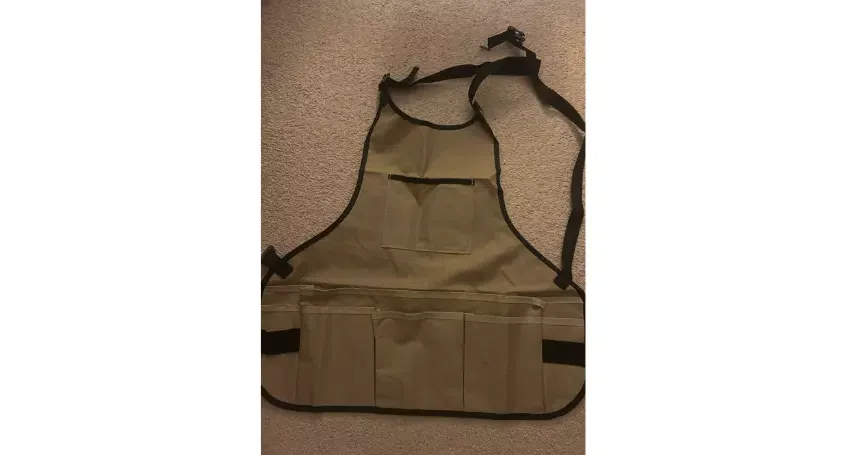
Aprons with multiple pockets save you the hassle of getting up every time you need a tool
Raised beds mean less bending, which lessens joint stress. Tina says: “I have two large ones made from stacking sleepers. In one I grow a collection of herbs which are at an easy height for me to tend and, most importantly, pick for use.”
Having a box nearby filled with essentials, like gloves, towels and water, keeps you hydrated and avoids unnecessary movement. Large kneeling pads reduce contact with cold soil, which can be helpful if temperature triggers your CRPS.
“When I’m outside pottering, I make sure to have a seat handy at both ends of my raised bed area to rest,” says Tanya. “A garden stool is handy, inexpensive and light to carry around for sitting or kneeling.”
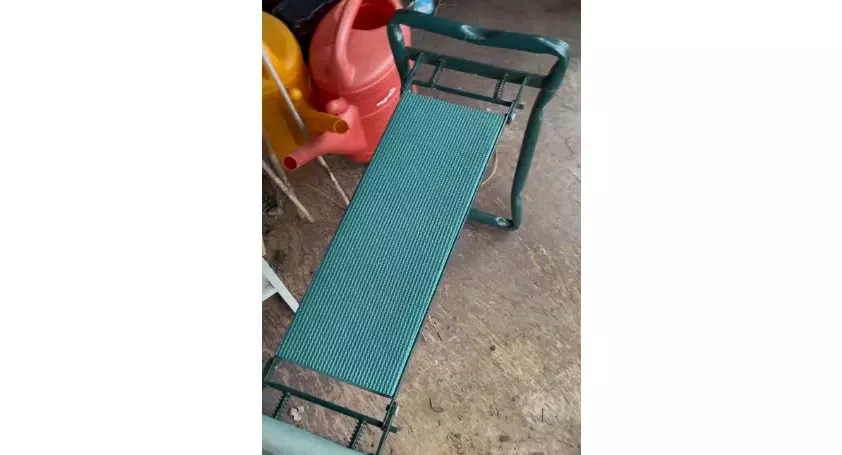
A portable garden stool can be used as a seat for a quick rest or for kneeling against when tending to your plants
If you prefer to keep a smaller garden or have less space, gardening on a smaller scale can be just as enjoyable and an opportunity to get creative.
Herbs grow well in pots and can be arranged nicely on a windowsill. If outdoors, Tina suggests grouping smaller pots together to create a cohesive, curated look. She adds that, to make the display more soothing and attractive, plant lavender among them; it produces a pleasant scent, benefits bees, and is aesthetically pleasing. Using smaller pots also makes them easier to lift and move.
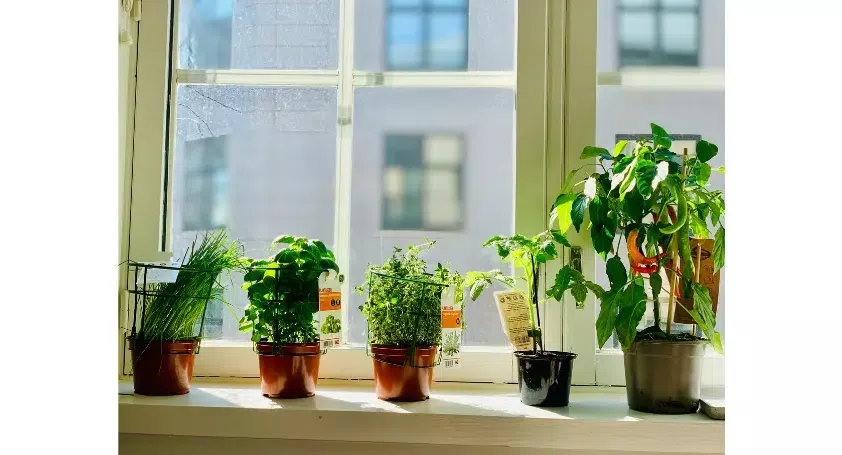
Windowsills come in handy for gardening if you have less space or prefer to work indoors
A great way to grow more in less space is through vertical gardening. This can be done using pocket planters, leaning a ladder against a wall with pots on each rung, or even by drilling a gutter into the garden fence and filling it with soil.
Tumbling Tom tomato plants also grow nicely in hanging baskets, so plenty of potential to get crafty here!
Once you get started gardening, it's easy to lose track of time. But to avoid burnout, make sure you take small, frequent breaks. You could do this by setting a timer or by dividing your tasks by day.
Tina suggests: “Imagine your garden area divided into ‘rooms’. Don’t try to tackle the whole area in one go, or randomly dip in and out of different ‘rooms’. Decide on one ‘room’ at a time, which sets you a focus.”
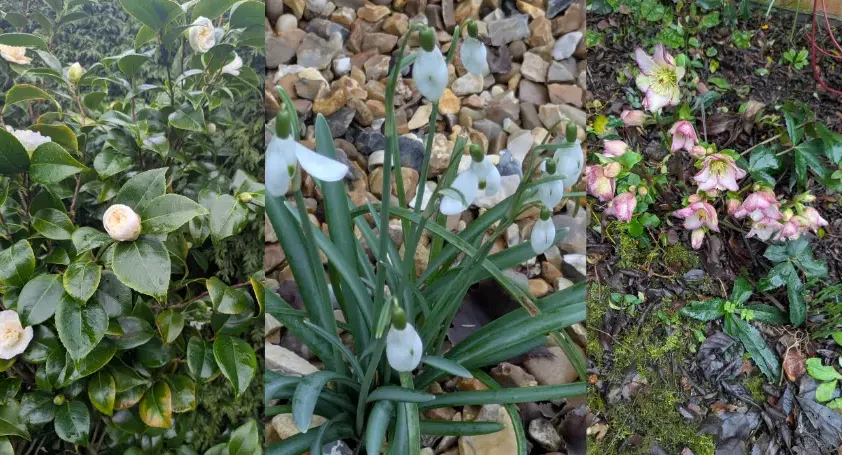
Dividing your garden into 'rooms' and smaller tasks can help you pace and make gardening seem less daunting
Tanya stresses starting small. “I started with sowing too many seeds to begin with as the excitement took over and I realised I had created too big a project for me. I have invested in the Visible Armband*, which has been very useful, but there’s no need to invest; you can use the free version on your phone.”
Lastly, ask for help when needed. It may be your hobby, but that doesn't mean you have to do it alone. On days when you feel excessive movement will do more harm than good, ask those around you to lend a hand by watering your plants or helping you lift something.
After tending to your plants, Tina recommends dedicating a sitting space in your garden, courtyard or balcony, tool-free, where you can rest and admire the wonderful fruits of your labour.
Let us know what your best tips and tools for gardening with CRPS are by emailing us or messaging us on your favourite social media channel. We’d love to hear from you.
*The Visible Armband is a heart rate monitor for people with chronic illnesses to help with pacing and avoid energy crashes. It is paired with a mobile app to track symptoms and triggers, and while the app is free to download, advanced features require a subscription.
Sources
1. Panțiru, I. et al. (2024) ‘The impact of gardening on well-being, mental health, and quality of life: An umbrella review and meta-analysis’, Systematic Reviews, 13(1). doi:10.1186/s13643-024-02457-9.
2. Thompson, R. (2018) ‘Gardening for health: A regular dose of gardening’, Clinical Medicine, 18(3), pp. 201–205. doi:10.7861/clinmedicine.18-3-201.
Fill a plastic fruit container with a handful of peat-free compost
We use cookies to improve your experience. By accepting you agree to our cookie policy