
 £
£
We use cookies to improve your experience. By accepting you agree to our cookie policy

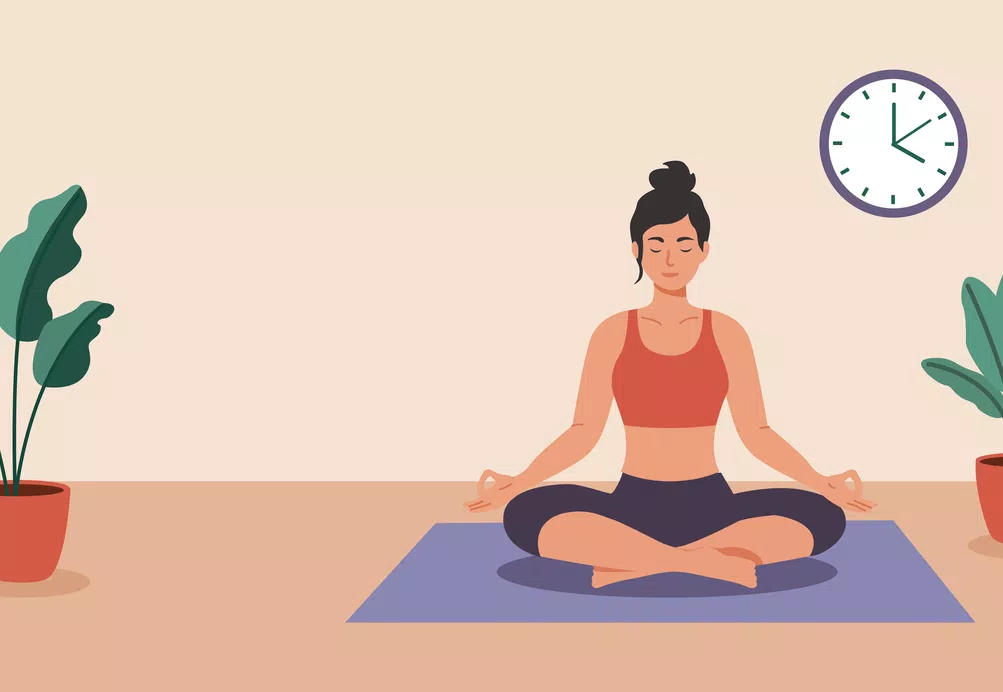
When living with chronic pain, many people avoid exercise because they fear it will make their symptoms worse. This is an understandable response, but gentle movement is often an important part of managing CRPS. The European Pain Federation recommends that people living with CRPS engage in gentle exercise and slowly increase the frequency of exercise over time when they feel ready (Goebel et al., 2019). This helps the body become stronger in a safe and manageable way. With CRPS, consistency matters far more than intensity.
Exercise can help reduce pain intensity while also improving physical range of motion and mental health (Li et al., 2023). The key is to set achievable goals and listen to your body, so movement feels doable and positive rather than frightening or overwhelming.
There are several forms of exercise that can be done safely. Gentle range-of-motion exercises, such as slowly moving the affected joint in circles or bending and straightening it, can help keep joints flexible and prevent stiffness. Short, slow walks are another good option. Even starting with just one or two minutes can be enough, and over time this can gradually build to a 15-minute walk that supports both physical strength and mental wellbeing.
Hydrotherapy can also be especially beneficial for people with CRPS. Because the buoyancy of water supports body weight, exercising in water reduces the impact on joints and allows for greater range of motion. It may also help reduce pain and swelling while improving both physical and emotional wellbeing.
As Moseley and Butler phrased it, “motion is lotion” (2003, p. 212) as gentle movement helps lubricate the joints, keep muscles working, and release endorphins that naturally support mood and stress management making it vital to living a healthy lifestyle with CRPS.
Pacing means finding the right balance between activity and rest. It is easy to fall into the cycle of doing too much on a “good” day, only to end up exhausted and flared up afterwards. On the other hand, avoiding activity completely can also make pain and stiffness worse. Pacing helps you stay somewhere in the middle (PainHealth, 2023).
Rest plays a vital role in CRPS management. It supports physical recovery, reduces fatigue, and helps calm the nervous system. It is also important to remember that rest is not only physical. Mental and emotional rest matter too, especially when living with the ongoing stress of chronic pain.
Taking regular breaks throughout the day can help prevent exhaustion and reduce the risk of becoming overwhelmed. Breaking tasks into smaller, more manageable steps can also make daily life feel less daunting and reduce the chance of triggering a flare-up.
For example, instead of trying to wash, dry, and put away all your clothes in one go, you could split the task into stages and rest in between each part. This kind of pacing can help you conserve energy, avoid flare-ups, and possibly reduce the need for extra medication.
Listening to your body is essential. Pacing is not about doing less; it is about doing things in a way that is sustainable and working with your energy, not against it.
One simple goal is to “eat the rainbow” by including a variety of colourful fruits and vegetables in your meals. These foods contain vitamins, minerals, antioxidants, and plant compounds called polyphenols, which have anti-inflammatory properties (International Association for the Study of Pain, 2021). Fresh produce is great, but frozen fruits and vegetables are just as nutritious and often much easier to keep on hand, reducing the need to go to the shops. Tinned fruit and vegetables can also be useful, though it is best to choose options in natural juice rather than sugar syrup.
It can also help to increase healthy fats and reduce unhealthy fats. Foods rich in omega-3, such as salmon, nuts, seeds, and avocados, may help reduce inflammation and support overall health. You could also add fish oil supplements to your diet or add flax seeds to meals to increase omega-3 intake. At the same time, it is wise to limit foods such as processed meats, processed snacks, and certain vegetable oils.
Fibre is another important part of a healthy diet. It supports digestion and helps maintain a healthy immune system, which may in turn help reduce pain levels. It is also helpful to help reduce constipation that comes as a result from pain medications. Simple swaps, such as choosing wholemeal bread instead of white bread or replacing some rice dishes with beans or pulses, can make a difference without feeling overwhelming.
At the same time, it may help to cut back on heavily processed foods, processed sugars, and processed meats, which contain compounds such as nitrates that contribute to inflammation (Calderon, 2016). The aim is not perfection. It is simply making a few sustainable swaps where you can that help your body feel more supported.
Research has shown that when people feel stressed, their muscles often become more tense and restricted, which can add to fatigue and discomfort (Luijcks et al., 2014). Managing stress is therefore an important part of living well with CRPS. Relaxation techniques and mindfulness can help calm the body and make the nervous system feel less overactive, giving your mind and body a break.
Deep breathing is one simple option. Box breathing, for example, involves breathing in for four seconds, holding for four seconds, breathing out for four seconds, and holding again for four seconds. It is easy to do and is surprisingly grounding, as it can help settle the body and reduce stress.
Mindfulness can also be helpful because it brings your attention into the present moment instead of focusing on pain. This does not have to mean sitting in silence for hours, a simple breathing meditation involves sitting or lying comfortably and paying attention only to your breath, noticing the air moving in and out. When your mind wanders, you gently guide it back to your breathing. Even doing this for a couple of minutes can really provide a calmness to your day.
Exercise can also support mental wellbeing by releasing endorphins, which naturally improve mood. Alongside this, self-care matters here as well. Something as simple as reading a book, having a warm bath with nice oils and candles, listening to calming music, or creating a cosy space to rest can support your emotional wellbeing. These small acts can help your nervous system feel safer and less overwhelmed.
Living a healthy lifestyle with CRPS is not about strict routines or doing everything “right.” It is about supporting yourself in ways that are realistic, gentle, and sustainable.
Some days that might mean going for a short walk. Other days it might mean taking more breaks, doing a few stretches, eating a nourishing meal, or giving yourself permission to rest without guilt. All of those things count.
The most important thing is to be kind to yourself. Progress with CRPS often happens in small steps, and those steps still matter. A healthier lifestyle is not built in one day — it is built through small choices that support your body and mind over time.
Living with CRPS can be incredibly hard, but with patience, pacing, and self-compassion, it is possible to create a lifestyle that helps you feel more supported, more balanced, and more in control.
Join our online community to see how others with CRPS maintain a healthy lifestyle. Check out our range of support services and read more about healthy lifestyle habits with CRPS including self-care guides and mindfulness meditation
Calderon, P. (2016). ‘Think Twice About Eating That- CRPS and Diet’. 16th February, RSDSA. Available here
Goebel, A., Barker, C., Birklein, F., Brunner, F., Casale, R., Eccleston, C., et al. (2019). Standards for the diagnosis and management of complex regional pain syndrome: results of a European pain federation task force. Eur. J. Pain 23, 641–651.
International Association for the Study of Pain (2021). ‘Nutrition and Chronic Pain’, 9th July. Available here.
Li, T-S., Wang, R., Su, X. and Wang, X-Q. (2023). ‘Effect and Mechanisms of Exercise for Complex Regional Pain Syndrome’ Frontiers in Molecular Neurscience 3(16).
Luijcks, R., Hermends, H. J., Bodar, L., Vossen, C., J., Van Os, J. and Lousberg, R. (2014). ‘Experimentally Induced Stress Validated by EMG Activity’ PloS One 9(4).
Moseley, G.L. and Butler, D.S. (2003) Explain Pain Supercharged: The Clinician’s Manual. Adelaide: Noigroup Publications.
NHS (2023). Information for Patients and Carers: Nutrition as Part of Long-term Pain Management. A Guide for the Outpatient Pain Service. Available here.
PainHealth (2023). Pacing and Goal Setting. Available here.
We use cookies to improve your experience. By accepting you agree to our cookie policy