
 £
£
We use cookies to improve your experience. By accepting you agree to our cookie policy

When you are living with Chronic Regional Pain Syndrome (CRPS) even the thought of exercise can seem daunting. But it’s important to stay as active as possible to improve limb function and reduce pain. Immobility makes symptoms worse.
A gentle, safe way to get your body moving is hydrotherapy. It offers many benefits for people living with CRPS and chronic pain.
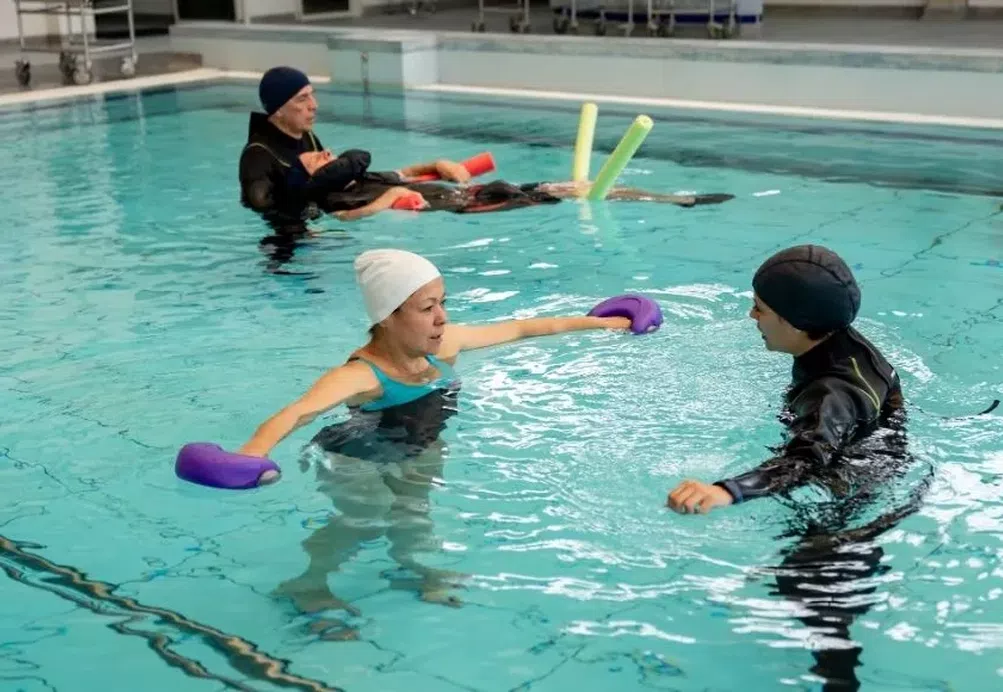
Hydrotherapy, or Aquatic Therapy as it is also known, is a treatment that involves special exercises carried out in a warm pool (usually 32-35°C/90-95°F) with the support of a physiotherapist. The exercises focus on gentle, controlled movements and relaxation. Hydrotherapy can help relieve symptoms for people with conditions including chronic pain, arthritis, multiple sclerosis (MS), Parkinson’s disease and cerebral palsy, as well as those recovering from injury or surgery. The water's buoyancy, resistance and warm temperature allows for low-impact exercise, helping to reduce strain on joints and muscles.
You don’t need to be able to swim to benefit from hydrotherapy, and the pool is usually quite shallow.
Burning Nights CRPS Support volunteer Zayn says, “Hydrotherapy is often used in CRPS because it allows gentle, low-impact movement in a warm, supportive environment. The reduced weight-bearing and sensory input of water can help people practise movement, improve function and build confidence when land-based exercise is too painful.
The reduced weight-bearing and sensory input of water can help people practise movement, improve function and build confidence when land-based exercise is too painful.
The buoyancy of the water supports your bodyweight, reducing the impact on your joints and muscles and allowing for a greater range of motion. Many people who struggle to exercise out of the water find hydrotherapy hugely beneficial.
Warm water relaxes muscles and helps relieve pain. It stimulates nerve receptors which can block pain signals to the brain. For some people with CRPS, sudden temperature changes trigger pain, so gradual entry into warm water for hydrotherapy is less likely to cause flare-ups than getting into a cold swimming pool.
Hydrostatic pressure – the pressure on the body when submerged in water – aids lymphatic drainage,where lymph fluid drains away from the swollen area, reducing inflammation.
The gentle, constant resistance of water builds muscle tone and increases strength safely. This resistance also helps to stabilise and support weight, so that you can move freely without risk of injury.
It’s been shown that, during hydrotherapy, stress hormones, including cortisol, are lowered, reducing pain and tension. Many people find hydrotherapy relaxing.
Hydrotherapy sessions are usually group sessions, but the exercises will be tailored to your condition and what you can do. The pool will often have a rail to hold onto, and for those who struggle to walk down steps, some pools have a hoist to lower you safely into the water. A physiotherapist will lead you through a series of exercises, including a warm-up to acclimatise to the water, and exercises focusing on balance and coordination, range of motion, muscle strengthening and relaxing or flotation techniques to reduce muscle tension.
Burning Nights CRPS volunteer Tanya, who also lives with CRPS, had hydrotherapy sessions as part of her treatment. She shares her experience:
"I was referred for hydrotherapy by the pain team in the first few months of diagnosis – it was part of their whole holistic approach alongside medication, physio, mirror therapy and desensitisation.
I had 12 sessions in total. The first few sessions were literally standing in the water getting my leg used to the feeling of moving my leg through the water. It was hard to start with, but the more sessions I had, and the more I did all the desensitisation and exercises at home, the more I progressed. I valued the sessions and the kindness of the physio who helped me on a 1:1 basis.
The therapy helped me regain some movement in my leg.”
Yes – your GP can refer you to a physiotherapist who will decide if they think you would benefit from hydrotherapy. You can also self-refer in some parts of the country – ask at your GP’s reception if you are able to do this in your area. Not all NHS hospitals have a hydrotherapy pool, so you may have to travel a bit further away.
Join our online community to see how others with CRPS have got on with hydrotherapy, along with other treatment advice. Check out our range of support services, and read more about treatments for CRPS including physiotherapy, Calmare Scrambler Therapy and nerve blocks.
We use cookies to improve your experience. By accepting you agree to our cookie policy