 £
£
We use cookies to improve your experience. By accepting you agree to our cookie policy
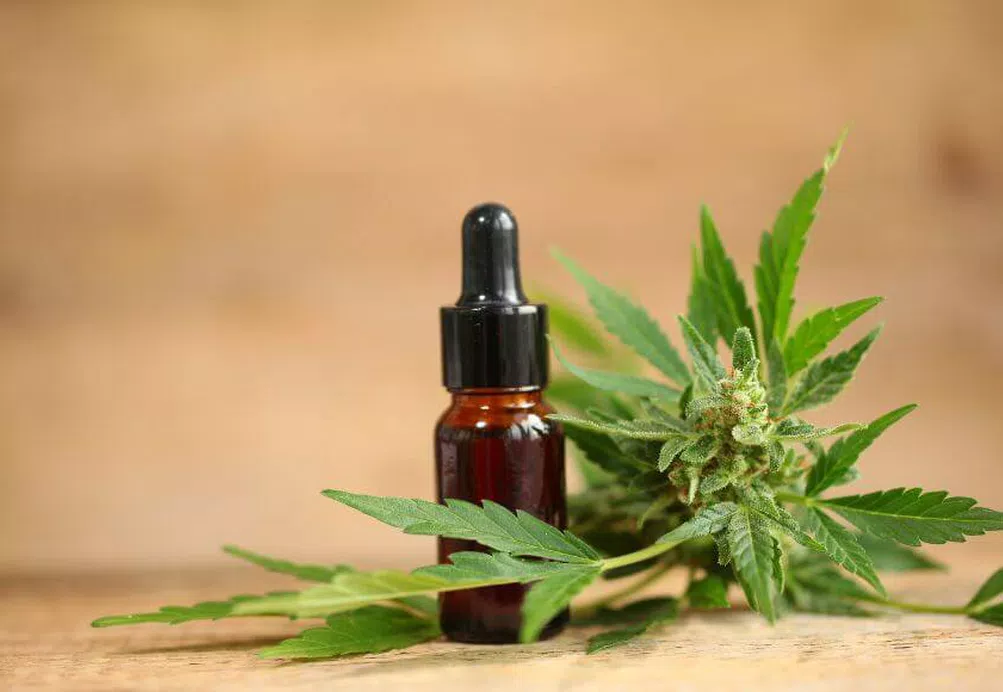
Medical cannabis, also known as medical marijuana, is a group of cannabis-based products prescribed to relieve symptoms of certain health conditions including chronic pain and mental health issues. These products contain cannabinoids that are found in the cannabis sativa plant and include hundreds of compounds including the two main types of cannabinoids – tetrahydrocannabinol (THC) and cannabidiol (CBD). THC can cause mind-altering effects or a ‘high’ but CBD has therapeutic effects without causing a high. Medical cannabis may include THC, CBD or a combination of both, depending on the patient’s needs. UK regulations state that the legal limit for THC is 1mg in cannabis products.
These cannabinoids are also naturally present in the human body and are referred to as endocannabinoids. THC and CBD work like messengers, interacting with the endocannabinoid system in our bodies, that can help regulate mood, memory, appetite and pain.
Some patients with Complex Regional Pain Syndrome (CRPS) say medical cannabis reduces pain intensity, improves sleep and helps manage associated anxiety or depression.
Although research is still growing, some people and small studies report that cannabinoids may help ease pain when usual medicines, like nerve pain medicines or opioids, haven’t worked well.
Some patients with CRPS say medical cannabis reduces pain intensity, improves sleep and helps manage associated anxiety or depression.
Taking medical cannabis for your CRPS may feel like a daunting experience. In order to understand the process and impact of taking medical cannabis, two people with CRPS were interviewed to gain some insight on the process of obtaining it and the impact it had on their overall health.
Tanya was diagnosed in March 2023, with CRPS in her left ankle following a fall. She had to wear an air cast boot for a year and was in a wheelchair for two years. She was in a dark place with excruciating pain. Her Pain Management Team at the local hospital put her on a high dose of steroids. Working with the physiotherapist and psychotherapist, Tanya received hydrotherapy, mirror therapy and desensitisation techniques. However, she was anxious and depressed, and would get flares that resulted in unbearable pain leading her to beg the doctors to remove her leg.
Tanya came across Burning Nights YouTube channel. She watched a webinar on medical cannabis that was presented by the Leva Clinic in conjunction with Burning Nights CRPS Support. She decided to contact the Leva Clinic, and had in-depth consultation with a doctor and nurse, detailing her history, pain and emotional status. In addition to her current medication, they suggested twice daily CBD oil and dried flower to vape when she had a flare.
Tanya found the CBD oil very effective in helping reduce both her pain and anxiety. The vape was very good at helping with any flares, and she found it easy to weigh and grind the flower before smoking it. Whilst the vape didn’t take the pain away, it softened the experience and made her feel more in control of it. Two years on, there has been an improvement in her quality of life where she is able to carry out more tasks, is not afraid of walking and is feeling more confident in herself.
Christine was diagnosed with CRPS in 2017, after injuring her foot whilst carrying heavy boxes. She had foot surgery which involved a calcaneal bone graft and was in a plaster. Two weeks in, her foot became painful and turned blue, so her plaster was removed. There was a large amount of swelling and the orthopaedics team at her local hospital were aware of nerve damage in her foot. She was eventually referred to the Pain Management Team where she was given Vitamin C and attended an eight-week Pain Management Course to help with her walking. At this point, she was still working as a school teacher.
Christine had to give up her teaching job in 2021, as she ended up with severe osteoarthritis in her left hip, and was given injections by the Pain Management Clinic to help alleviate the pain. Pain relief only lasted for three weeks. She was on different forms of pain medication and even looked at alternative methods such as breathing exercises to help alleviate her pain, but to no avail. The pain just got worse and the medication made her feel drowsy.
She was then diagnosed with breast cancer in her left breast in 2022. She noticed that CRPS affected her left foot, left hip and left breast. A month later, she was diagnosed with melanoma on her right leg. Her pain levels were now so high and she was suffering from comorbidities. In August 2023, her Pain Management Clinic said they could prescribe CBD oil, which would be managed through the hospital. After her initial consultation with the Pain Management Consultant, Christine filled out a large questionnaire so that they could determine the right combination of CBD oil with THC, for her pain levels.
Christine was prescribed 0.5mg CBD oil, to be taken three times a day. She said it started to help with pain relief within an hour of taking it and helped her sleep, though did little to relieve the pain in her hip. On request, the ratio of CBD:THC was modified for better pain relief. She also takes a dose when she has a flare. Her Pain Management Clinic said that it was important to keep her muscles moving and suggested she use an opioid patch in conjunction with the CBD oil, to help alleviate pain.
Overall, the use of CBD oil since 2023, has helped improve her sleep and help prevent ‘brain fog’ often caused by pain and other medication. As well as reducing the severe pain in her joints, she feels it has also helped manage the side effects of her breast remission drug, often a cause for many women to stop taking it.
In the UK, the National Institute for Health and Care Excellence (NICE) guidance for prescribing treatments says that:
NHS access is limited because of the lack of evidence. The NHS relies on strong clinical data before approving medicines for wide use. Many patients turn to private clinics, where specialist doctors can legally prescribe medical cannabis, if clinically appropriate.
UK law changed in November 2018 so that medical cannabis can be prescribed by specialist doctors, marking a significant shift in access. However, one year later the National Institute for Health and Care Excellence (NICE) rescinded the law for chronic pain saying that there was a lack of evidence or poor evidence: NICE guidance on medical cannabis for chronic pain and Faculty of Pain Medicine Cannabis Statement
Private pain and cannabis clinics have since become more common in recent years. They provide another route for patients who cannot access treatment through the NHS.
Private cannabis clinics employ doctors registered with the General Medical Council who specialise in prescribing cannabis-based medicines, along with patient coordinators who support patients along their healthcare journeys. These clinics tend to have their own pharmacies with an uninterrupted supply of medical cannabis, to meet demands.
The process usually involves the following steps:
Patients pay for each consultation as well as the medicine itself, with initial consultations costing around £100 to £200 and follow-ups about £50 to £100. Medical cannabis can cost several hundred pounds each month. Christine mentioned that the cost of a bottle of CBD oil was dependent on both the brand used and the ratio of CBD and THC. Her initial cost for a 30ml bottle of CBD:THC oil was £180, later reduced to £120. Supply of CBD oil can sometimes be inconsistent, so it is worth checking with the specialist cannabis clinic upfront, if they do have a regular supply for meeting prescriptions.
While private clinics can offer a faster path to easing pain through medical cannabis treatment, it can come at a significant cost to the patient. But many patients feeling let down by conventional pain treatments, see private access as an investment in their quality of life. Tanya and Christine’s stories on pain relief with CBD oil, through an approved medical cannabis clinic, help prove this.
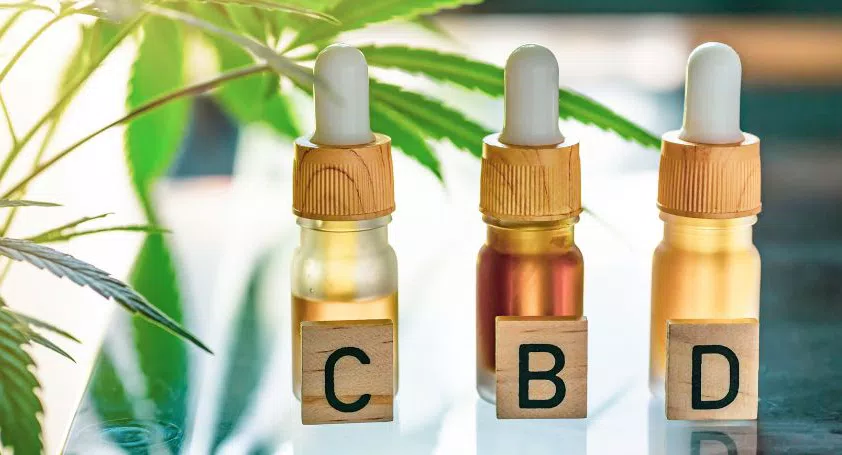
Many wonder whether the CBD oils sold at health shops are the same as medical cannabis. The short answer is no.
While some people find that shop-bought CBD oils take the edge off anxiety, stress or mild aches, they’re unlikely to provide the stronger pain relief needed for CRPS. For effective dosing and medical supervision, a prescription is usually needed.
Medical cannabis isn’t a cure for CRPS but for some patients it offers meaningful relief when other options have failed. Access through the NHS remains very restricted but private clinics are a legal and supervised path to treatment. Over-the-counter CBD from health shops may be useful for general wellbeing but these are not the same as prescribed medical cannabis for chronic pain.
For further information on medical cannabis and pain management, see our educational video delivered by Leva Clinic in conjunction with Burning Nights CRPS Support, entitled “Discover A New Way: Everything You Need to Know About Medical Cannabis.”
Sources
Medical Cannabis UK: Access, Laws & Patient Insights
Cannabis and cannabinoids (PDQ®)–health professional version
Releaf: CBD Vs THC – What's the difference, and is medical cannabis right for you?
Medical cannabis available on the NHS: what you need to know - Which?
We use cookies to improve your experience. By accepting you agree to our cookie policy